
Ultra-Processed Foods and Weight Gain: It’s Not Just Calories
Table of Contents
ToggleUltra-Processed Foods and Weight Gain: It’s Not Just Calories
For decades, weight gain has been framed as a simple equation: calories in versus calories out. While energy balance still matters, this explanation falls short when we look at how modern diets actually drive obesity. One of the strongest contributors is the rise of ultra-processed foods—and the problem goes far beyond calorie count alone.
Ultra-processed foods now make up more than half of daily calorie intake in many Western countries. These foods are strongly associated with obesity, metabolic disease, and poor long-term weight control. Importantly, controlled clinical trials show that people gain weight on ultra-processed diets even when calories, macronutrients, and sodium are matched.
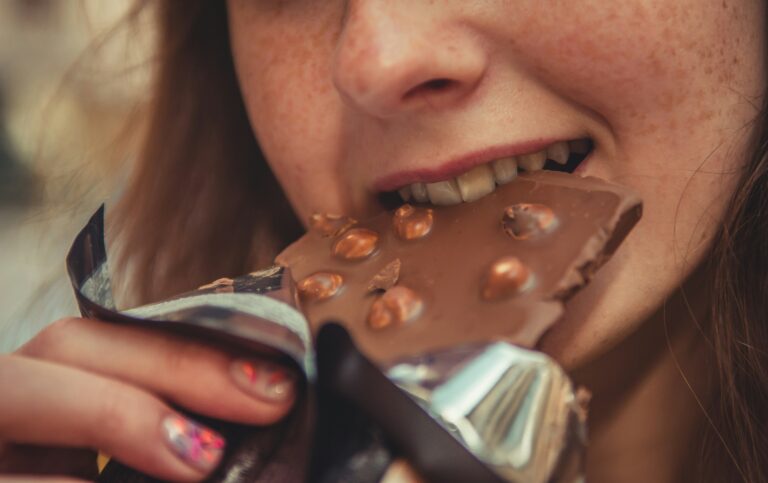
What are ultra-processed foods?
Ultra-processed foods are industrial formulations made mostly or entirely from substances extracted from foods or synthesized in laboratories. They typically contain:
Refined starches and sugars
Industrial seed oils
Flavor enhancers and emulsifiers
Preservatives, colorants, and sweeteners
Examples include packaged snacks, sugary cereals, frozen meals, soft drinks, processed meats, and many “diet” or “low-fat” products.
These foods are designed for convenience, shelf life, and palatability—not metabolic health.
The landmark study: same calories, more weight gain
A tightly controlled inpatient trial published in Cell Metabolism compared two diets:
An ultra-processed diet
An unprocessed, whole-food diet
Both diets were matched for calories, protein, fat, carbohydrates, sugar, fiber, and sodium. Participants were allowed to eat as much as they wanted.
The results were striking:
Participants ate about 500 more calories per day on the ultra-processed diet
They gained weight and body fat
When switched to the unprocessed diet, calorie intake dropped and weight was lost
This happened without conscious overeating. The food itself changed eating behavior.
Why ultra-processed foods lead to overeating

1. Faster eating, delayed satiety
Ultra-processed foods are softer, easier to chew, and quicker to consume. Faster eating reduces the time needed for gut hormones and brain signals to register fullness, leading to higher calorie intake before satiety kicks in.
2. Reduced protein leverage
Humans tend to eat until protein needs are met. Ultra-processed diets often dilute protein content, subconsciously driving people to eat more total calories to compensate.
3. Hyper-palatability overrides appetite control
The engineered combination of sugar, fat, salt, and flavorings activates reward pathways in the brain, encouraging continued eating beyond energy needs.
4. Food structure matters
Whole foods require digestion. Ultra-processed foods are partially “pre-digested,” leading to faster glucose absorption, sharper insulin responses, and weaker satiety signaling.
Ultra-processed foods vs whole foods: summary table
Factor | Ultra-Processed Foods | Whole / Minimally Processed Foods |
Eating speed | Very fast | Slower |
Satiety signals | Blunted | Strong |
Protein density | Often low | Higher |
Energy intake | Higher | Lower |
Gut health | Disrupted | Supported |
Weight gain risk | Increased | Reduced |
Why calorie counting alone fails
Traditional calorie counting assumes all calories behave the same in the body. The evidence shows otherwise.
Two diets with identical calorie counts can produce different outcomes depending on:
Food structure
Processing level
Eating rate
Hormonal responses
This explains why many people “follow the calories” yet still struggle with hunger, fatigue, and weight regain.
What this means for healthy weight loss
Sustainable weight loss is not about extreme restriction. It is about diet quality.
Evidence-based strategies include:
Prioritizing minimally processed foods
Emphasizing protein, fiber, and whole carbohydrates
Reducing packaged snack and ready-to-eat meals
Eating slowly and without distraction
These changes reduce calorie intake naturally—without constant hunger.
Where weight loss medications fit (briefly)
Weight loss medications can help regulate appetite and satiety, but they do not cancel out the effects of ultra-processed diets. Patients who rely on medications while maintaining a highly processed diet are more likely to experience plateaus or regain weight after stopping treatment.
Diet quality remains foundational—whether medications are used or not.
The bigger picture
The rise in obesity has closely tracked the rise in ultra-processed food availability. This is not a failure of individual willpower—it is a food environment problem.
Understanding that weight gain is influenced by how food is made, not just how much is eaten, shifts the focus toward smarter, more sustainable solutions.
Bottom line
Ultra-processed foods promote weight gain not simply because of calories, but because they alter eating behavior, satiety, and metabolism. Reducing reliance on these foods is one of the most effective, evidence-based strategies for healthy weight loss and long-term weight maintenance.
Calories matter—but food quality matters more.
 References