
Can GLP-1 Drugs Help Prevent Osteoarthritis or Joint Degeneration?
Table of Contents
ToggleCan GLP-1 Drugs Help Prevent Osteoarthritis or Joint Degeneration?
Osteoarthritis (OA) is the most common joint disorder worldwide and a leading cause of pain, disability, and reduced quality of life. While aging and genetics play important roles, obesity is one of the strongest modifiable risk factors for both the development and progression of osteoarthritis—particularly in weight-bearing joints such as the knees and hips.
As GLP-1–based therapies become increasingly effective at producing sustained weight loss, researchers and clinicians are asking a new question: can GLP-1 drugs help prevent osteoarthritis or slow joint degeneration?
The answer is nuanced. Current evidence suggests GLP-1 drugs may indirectly protect joint health through weight loss and metabolic improvements, but definitive proof of direct joint-protective effects is still emerging.

1. Why obesity accelerates osteoarthritis
For many years, osteoarthritis was viewed as a simple “wear-and-tear” disease. We now know it is far more complex. Obesity contributes to osteoarthritis through two main pathways: mechanical load and systemic inflammation.
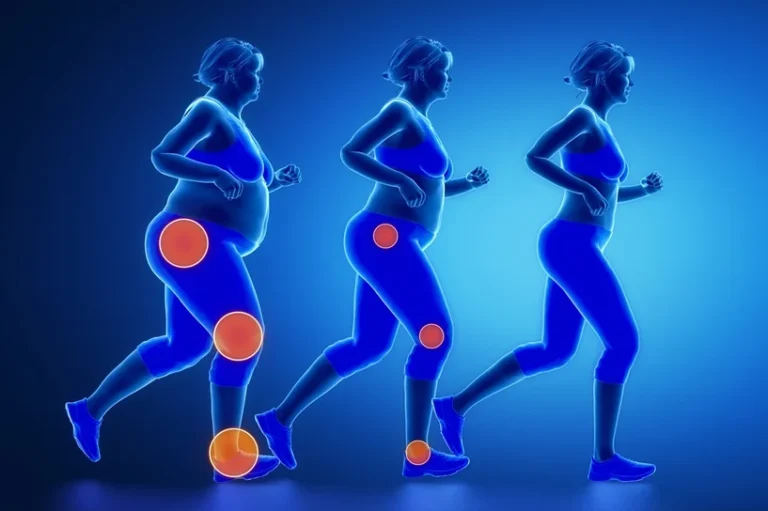
Excess body weight increases compressive forces across joints. In the knee, each additional kilogram of body weight translates into several kilograms of extra load during walking. Over time, this accelerates cartilage breakdown and joint space narrowing.
However, obesity also promotes a chronic inflammatory state. Adipose tissue releases cytokines such as tumor necrosis factor-alpha and interleukin-6, which can directly damage cartilage and impair joint repair mechanisms. This explains why obesity increases osteoarthritis risk even in non–weight-bearing joints, such as the hands.
Reducing body weight therefore addresses both the mechanical and inflammatory drivers of joint degeneration.
2. What the JAMA study tells us about weight loss and joint progression
The JAMA study you referenced examined the relationship between weight loss and progression of knee osteoarthritis using imaging-based outcomes rather than symptoms alone. This distinction is critical.
Key findings from the study include:
Greater weight loss was associated with slower cartilage degeneration
Structural joint changes progressed more slowly in individuals who lost significant weight
The relationship was dose-dependent—larger weight reductions produced greater benefit
Importantly, these findings support the idea that weight loss does not merely reduce pain by unloading joints, but may actually slow the underlying disease process.
While the study did not examine GLP-1 medications directly, it provides a strong biological foundation for exploring therapies that reliably produce sustained weight loss.
3. How GLP-1 drugs could influence joint health
GLP-1 receptor agonists such as semaglutide and dual incretin therapies such as tirzepatide can produce 10–20% body weight reduction in many patients—levels historically achievable only with bariatric surgery.
This magnitude of weight loss has several implications for joint health:
Reduced joint loading during daily activities
Lower inflammatory cytokine production from adipose tissue
Improved insulin sensitivity and metabolic health
Reduced progression of obesity-related comorbidities that worsen mobility
In addition, preclinical research suggests GLP-1 signaling may have anti-inflammatory effects independent of weight loss, although human joint-specific data remain limited.
At present, the strongest evidence supports indirect benefit via weight loss, not a direct disease-modifying effect on cartilage.
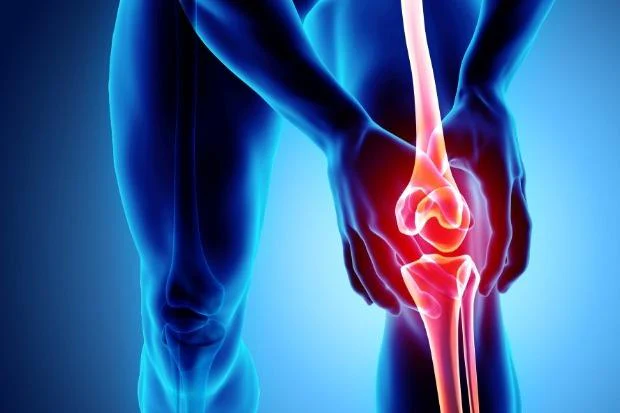
4. Pain relief versus disease modification
It is essential to distinguish between symptom improvement and disease modification.
Many patients on GLP-1 drugs report:
Reduced knee or hip pain
Improved mobility
Increased ability to exercise
These benefits can occur relatively quickly and are largely explained by reduced mechanical stress on joints.
However, true disease modification—slowing cartilage loss or preventing joint space narrowing—requires long-term structural data. While weight loss clearly contributes to this goal, no randomized controlled trials have yet proven that GLP-1 drugs alone prevents osteoarthritis progression.
Current evidence supports the following conclusions:
GLP-1 drugs likely improves symptoms through unloading and inflammation reduction
Sustained weight loss may slow joint degeneration
Direct cartilage-protective effects remain unproven
5. The role of exercise alongside GLP-1 drugs
Weight loss alone is not sufficient to protect joint health. Muscle strength, joint stability, and movement quality are equally important.
Exercise—particularly resistance training and low-impact aerobic activity—plays several critical roles:
Preserves muscle mass during weight loss
Improves joint stability and shock absorption
Enhances cartilage nutrition through movement
Reduces pain sensitivity
GLP-1 drugs may actually make exercise more achievable by reducing pain and fatigue associated with excess body weight. This creates a positive feedback loop where improved mobility supports further joint protection.
Patients who combine weight loss with structured exercise show better functional outcomes than those who rely on weight loss alone.
6. What we know, what we don’t, and what comes next
What we know:
Obesity is a major driver of osteoarthritis progression
Weight loss slows cartilage degeneration and reduces symptoms
GLP-1 drugs is one of the most effective tools for achieving sustained weight loss
What we don’t yet know:
Whether GLP-1 drugs directly affects cartilage biology
How long weight loss must be maintained to meaningfully alter joint outcomes
Whether benefits differ by joint type or osteoarthritis severity
Ongoing research is exploring whether metabolic therapies can become part of comprehensive osteoarthritis prevention strategies—particularly for patients with obesity at high risk of joint replacement.
Bottom line
GLP-1 drugs is unlikely to be a stand-alone treatment for osteoarthritis. However, by enabling substantial and sustained weight loss, it may reduce joint load, lower inflammation, improve mobility, and potentially slow joint degeneration over time.
For patients with obesity and early osteoarthritis, GLP-1–based weight loss—combined with exercise and joint-friendly movement—may represent a powerful strategy to preserve joint health and delay disease progression.
 References