
GLP-1 Medications Lower Blood Pressure More Than Expected, Study Finds
Table of Contents
ToggleGLP-1 Medications Lower Blood Pressure More Than Expected
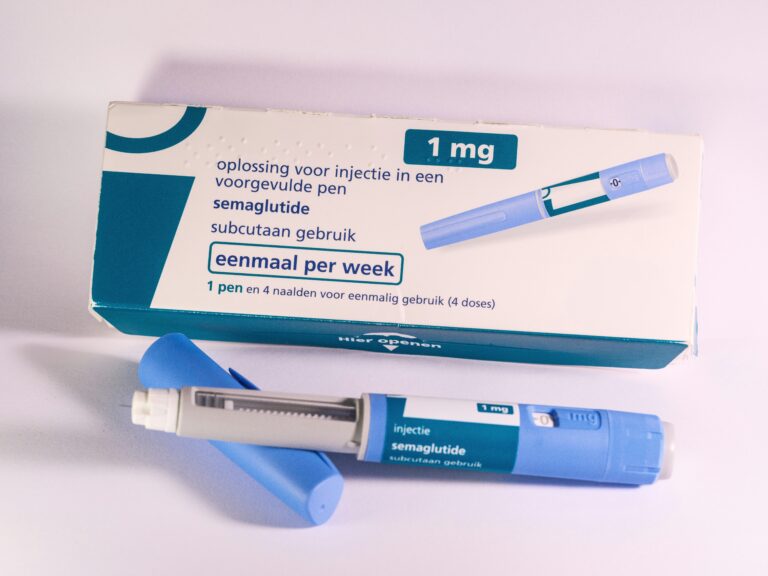
GLP-1 receptor agonists have become widely recognized for their powerful effects on weight loss and blood sugar control. Medications such as semaglutide and liraglutide are now frequently prescribed for type 2 diabetes and obesity treatment.
However, researchers are discovering that the benefits of GLP-1 medications extend well beyond glucose control and weight management. One area receiving increasing attention is their effect on blood pressure and cardiovascular health.
A recent study published in JAMA Network Open found that GLP-1 medications may lower blood pressure more than previously expected. These findings suggest that GLP-1 therapies could provide additional protection against heart disease, which remains one of the leading causes of death worldwide.
1. Why Blood Pressure Matters for Long-Term Health
High blood pressure, also known as hypertension, affects hundreds of millions of people globally. It is a major risk factor for serious cardiovascular conditions including:
Heart attack
Stroke
Heart failure
Kidney disease
Vascular damage
Hypertension is particularly common in individuals with obesity and type 2 diabetes. Excess body weight increases strain on the cardiovascular system and contributes to higher blood pressure levels.
Even modest reductions in blood pressure can significantly reduce the risk of cardiovascular complications. For example, a reduction of just 5 mmHg in systolic blood pressure can meaningfully lower the risk of stroke and heart disease.
Because many patients with diabetes or obesity also struggle with hypertension, medications that improve multiple risk factors simultaneously are especially valuable.
2. Overview of GLP-1 Medications
GLP-1 receptor agonists mimic a natural hormone called glucagon-like peptide-1, which is released in the gut after eating. This hormone plays an important role in regulating blood sugar, appetite, and digestion.
GLP-1 medications work through several mechanisms:
Increasing insulin secretion when blood sugar rises
Suppressing glucagon production
Slowing gastric emptying
Increasing feelings of fullness
Common GLP-1 medications include:
Liraglutide
Dulaglutide
Exenatide
These drugs have become central treatments for type 2 diabetes and obesity. Some formulations can produce weight loss of 10–20% of body weight, which significantly improves metabolic health.
Researchers are now exploring how these medications affect other cardiovascular markers—including blood pressure.
3. Evidence That GLP-1 Medications Reduce Blood Pressure
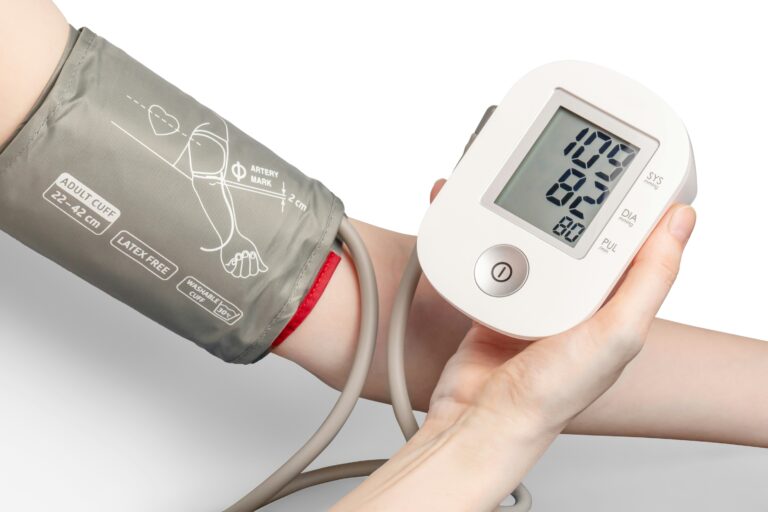
Clinical trials evaluating GLP-1 medications have consistently reported modest reductions in blood pressure. However, the magnitude of these effects may be greater than initially assumed.
The study published in JAMA Network Open analyzed clinical data examining the relationship between GLP-1 therapy and blood pressure changes.
The researchers observed that GLP-1 medications were associated with meaningful reductions in both:
Importantly, these reductions were seen even after accounting for weight loss, suggesting that GLP-1 drugs may influence blood pressure through additional physiological mechanisms.
These findings indicate that GLP-1 therapy could play a broader role in cardiovascular risk reduction beyond glucose control.
4. Why GLP-1 Drugs May Lower Blood Pressure
Several biological mechanisms may explain why GLP-1 medications improve blood pressure.
Weight loss
Weight loss itself reduces blood pressure by decreasing strain on the cardiovascular system. Since GLP-1 drugs are highly effective for weight reduction, part of their blood pressure effect likely comes from this mechanism.
Improved insulin sensitivity
Insulin resistance is closely linked to hypertension. By improving insulin sensitivity and glucose metabolism, GLP-1 medications may indirectly support healthier blood pressure levels.
Reduced inflammation
Chronic inflammation contributes to vascular damage and hypertension. Some research suggests GLP-1 therapies may reduce inflammatory markers associated with cardiovascular disease.
Improved vascular function
GLP-1 receptor activation may improve the function of blood vessels by enhancing endothelial function and promoting vasodilation.
Together, these mechanisms may contribute to the observed reductions in blood pressure seen in clinical trials.
5. Cardiovascular Benefits Beyond Blood Pressure
The potential cardiovascular benefits of GLP-1 medications extend beyond blood pressure reduction.
Large clinical trials have shown that several GLP-1 drugs can reduce the risk of major cardiovascular events in high-risk individuals. These events include:
Heart attacks
Stroke
Cardiovascular death
The improvements in blood pressure likely contribute to these outcomes, but other factors may also play a role, including improvements in cholesterol levels, weight loss, and reduced systemic inflammation.
As a result, many clinical guidelines now recommend GLP-1 medications for patients with type 2 diabetes who are at high risk of cardiovascular disease.
6. What This Means for Patients

For patients with obesity or type 2 diabetes, GLP-1 medications may offer several health benefits at once:
Weight reduction
Improved blood sugar control
Reduced blood pressure
Lower cardiovascular risk
This multi-system effect makes GLP-1 therapies particularly valuable in metabolic medicine.
However, GLP-1 medications are not typically prescribed solely as blood pressure treatments. Instead, the blood pressure benefits are considered an additional advantage for patients already using these medications for diabetes or weight management.
Patients considering GLP-1 therapy should consult their healthcare provider to determine whether these medications are appropriate for their individual health needs.
Summary Table
Effect | Impact of GLP-1 Medications |
Blood pressure | Modest reductions in systolic and diastolic pressure |
Weight | Significant weight loss in many patients |
Blood sugar | Improved glucose control |
Cardiovascular risk | Reduced risk of major cardiovascular events |
Appetite | Decreased hunger and calorie intake |
Metabolic health | Improved insulin sensitivity and metabolic markers |
Final Takeaway
GLP-1 medications are widely known for their ability to promote weight loss and improve blood sugar control. However, emerging research shows that their benefits may extend even further.
Evidence from clinical studies suggests that GLP-1 therapies can lower blood pressure more than previously expected, potentially contributing to their cardiovascular protective effects.
By improving weight, metabolism, vascular health, and blood pressure simultaneously, GLP-1 medications represent an important advancement in the treatment of metabolic disease.
As research continues, these medications may play an even larger role in preventing cardiovascular complications among people with obesity and type 2 diabetes.
 References
GLP-1 receptor agonists and blood pressure outcomes – JAMA Network Open
Cardiovascular effects of GLP-1 receptor agonists – Circulation Research
GLP-1 receptor agonists in type 2 diabetes and cardiovascular disease – Diabetes Care
Weight loss and blood pressure reduction – Hypertension Journal
Mechanisms of GLP-1 receptor agonists in metabolic health – Physiological Reviews