
GLP-1 Medications Reduce GERD & Acid Reflux Symptoms
Table of Contents
ToggleGLP-1 Medications Reduce GERD & Acid Reflux Symptoms
Gastroesophageal reflux disease (GERD) affects millions of people worldwide and is often closely linked with obesity. Individuals with higher body weight are significantly more likely to experience chronic acid reflux symptoms, including heartburn, regurgitation, and irritation of the esophagus.
Recently, researchers have begun exploring whether GLP-1 receptor agonists, a class of medications widely used for diabetes and weight loss, might also influence GERD symptoms. Early evidence suggests these medications may improve reflux symptoms through a combination of weight loss, appetite control, and changes in gastrointestinal function.
A study published in the journal Gastroenterology investigated the relationship between GLP-1 medications and reflux symptoms, highlighting the potential digestive benefits of this increasingly popular class of drugs.

1. Understanding GERD and Why It Happens
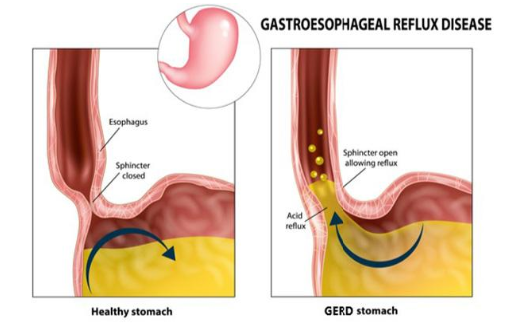
GERD occurs when stomach acid flows back into the esophagus due to dysfunction of the lower esophageal sphincter (LES)—the muscular valve that normally prevents reflux.
Common GERD symptoms include:
Persistent heartburn
Acid regurgitation
Chest discomfort
Chronic cough
Difficulty swallowing
Obesity is one of the strongest risk factors for GERD. Excess abdominal fat increases pressure on the stomach, making it easier for stomach acid to move upward into the esophagus.
Other contributing factors include:
Delayed stomach emptying
Large meal sizes
High-fat diets
Certain medications
Because obesity plays a major role in GERD development, treatments that promote weight loss may significantly improve reflux symptoms.
2. What Are GLP-1 Medications?
GLP-1 receptor agonists are medications that mimic the hormone glucagon-like peptide-1 (GLP-1), which is naturally produced in the gut after eating.
These drugs help regulate blood sugar and appetite through several mechanisms:
Stimulating insulin release
Reducing glucagon secretion
Slowing gastric emptying
Increasing feelings of fullness
Common GLP-1 medications include:
Liraglutide
Dulaglutide
Exenatide
These medications are widely used to treat type 2 diabetes and obesity, with some formulations producing weight loss of 10–20% or more of body weight.
Because weight loss is one of the most effective lifestyle interventions for GERD, researchers began investigating whether GLP-1 medications might indirectly improve reflux symptoms.

3. How GLP-1 Drugs May Reduce Acid Reflux
GLP-1 medications may influence GERD through several physiological mechanisms.
Weight loss
Weight reduction decreases pressure inside the abdominal cavity. Lower abdominal pressure reduces the likelihood of acid reflux from the stomach into the esophagus.
Even moderate weight loss has been shown to significantly improve GERD symptoms.
Smaller meal sizes
GLP-1 medications suppress appetite and lead to reduced calorie intake. Smaller meals create less gastric distension, which can lower the risk of reflux episodes.
Slower gastric emptying
GLP-1 drugs slow the rate at which food leaves the stomach. This may initially sound like it could worsen reflux, but in many patients it actually leads to more stable digestion and fewer reflux-triggering spikes in stomach pressure.
These combined effects can contribute to improved reflux symptoms in patients with obesity-related GERD.
4. Research Linking GLP-1 Therapy to GERD Improvement
Researchers studying GLP-1 medications have increasingly examined their gastrointestinal effects beyond blood sugar control.
The Gastroenterology study evaluated how GLP-1 receptor agonists influence gastrointestinal function and reflux symptoms. The findings suggested that GLP-1-based therapies may improve digestive physiology in ways that could reduce reflux symptoms.
Key observations from the research include:
Weight loss associated with GLP-1 therapy may reduce GERD risk factors
Changes in gastric motility can alter reflux dynamics
Appetite reduction leads to smaller meals and lower reflux pressure
Although more targeted studies are still needed, the available evidence suggests GLP-1 medications may provide indirect benefits for reflux symptoms, particularly in patients with obesity.
5. Important Considerations: GLP-1 and Digestive Side Effects
While GLP-1 medications may improve reflux in some individuals, they can also cause gastrointestinal side effects.
Common side effects include:
Nausea
Vomiting
Bloating
Delayed gastric emptying
Mild stomach discomfort
These effects usually occur during the early stages of treatment and often improve over time as the body adapts.
In some cases, delayed stomach emptying could temporarily worsen reflux symptoms in certain patients. However, many people experience the opposite effect once weight loss and appetite regulation begin to take hold.
Because of this variability, patients experiencing persistent reflux symptoms while using GLP-1 medications should consult their healthcare provider.
6. What This Means for Patients With GERD
The relationship between GLP-1 medications and GERD is still being actively researched, but several important conclusions are emerging.
First, weight loss remains one of the most effective strategies for reducing reflux symptoms. Since GLP-1 medications are among the most effective medical weight-loss treatments currently available, they may indirectly improve GERD for many patients.
Second, the appetite-suppressing effects of GLP-1 therapy may encourage eating patterns that reduce reflux triggers, including smaller meal sizes and reduced late-night eating.
Finally, improvements in metabolic health—including better blood sugar control and reduced visceral fat—may also contribute to improved digestive function.
While GLP-1 drugs are not specifically prescribed as GERD treatments, their effects on body weight and digestive physiology may provide meaningful benefits for patients struggling with reflux.
Summary Table
Factor | How GLP-1 Medications May Affect GERD |
Weight loss | Reduces abdominal pressure that contributes to reflux |
Appetite suppression | Leads to smaller meals that lower reflux risk |
Gastric emptying | Slower digestion may stabilize stomach pressure |
Metabolic improvements | Better metabolic health may support digestive function |
Side effects | Early nausea or stomach discomfort may occur in some users |
Overall impact | Potential indirect improvement in reflux symptoms |
Final Takeaway
GLP-1 medications are transforming the treatment of obesity and type 2 diabetes, but their effects may extend beyond metabolic health. Emerging research suggests these medications may also influence digestive physiology and potentially reduce GERD and acid reflux symptoms.
By promoting significant weight loss, reducing appetite, and altering gastric motility, GLP-1 receptor agonists may address several key mechanisms that contribute to reflux.
Although more clinical trials are needed to confirm these benefits, the growing body of evidence suggests GLP-1 therapy could offer an additional advantage for individuals struggling with obesity-related GERD.
 References
GLP-1 receptor agonists and gastrointestinal physiology – Gastroenterology Journal
Association between obesity and gastroesophageal reflux disease – World Journal of Gastroenterology
Weight loss and improvement of GERD symptoms – Gastroenterology & Hepatology
GLP-1 receptor agonists and gastrointestinal effects – Diabetes Care
GLP-1 receptor agonists for obesity treatment – Nature Reviews Endocrinology
Mechanisms of GLP-1 action in metabolism and digestion – Physiological Reviews